Every Warning Sign Has a Price Attached
A chimney cleaning is one of the least expensive services a homeowner can schedule for a wood burning fireplace. Skipping it does not make the cost disappear, it just moves the cost further down the road and usually makes it larger. Each of the warning signs below is not just a safety flag, it is also a preview of what happens to the repair bill if the underlying cause goes unaddressed.
This is a look at the five most common signs we see in Pasadena homes, and what each one costs to fix now versus what it tends to cost if it is left alone for another season or two.
Sign One: Smoke Coming Back Into the Room
When smoke backs into the living space instead of venting up the flue, the cause is usually creosote narrowing the passage, debris blocking the flue, or a damper that is not opening fully. Addressed at this stage, the fix is a standard cleaning, sometimes paired with a damper adjustment.

Left alone, the restricted flue keeps building creosote every time the fireplace is used, since a narrowed passage produces cooler, less complete combustion, which in turn produces more creosote. What starts as a cleaning job can turn into a harder removal job within a season, and the ongoing restricted draft accelerates wear on the damper and the smoke chamber parging at the same time.
Sign Two: A Strong, Persistent Odor
An acrid, tar like smell usually means creosote is present and has been sitting long enough to off-gas noticeably, especially during warm weather. A musty smell more often points to moisture getting into the system, which is a different repair path entirely.
Caught early, an odor complaint often resolves with a cleaning and, if the smell is musty rather than tar like, a look at the cap and crown for a water entry point. Left unaddressed, moisture intrusion continues corroding metal components and deteriorating mortar in the smoke chamber, areas that are far more expensive to access and repair than they would have been to catch with a cap replacement at the first sign of a musty smell.
Sign Three: Visible Creosote Buildup in the Firebox
Creosote does not stay the same over time, it hardens and thickens the longer it sits. A flashlight check of the firebox interior tells you roughly where you stand: a light, flaky coating is the easiest and least expensive stage to remove, a harder, tar like coating takes more labor, and a glazed, dripping coating requires chemical treatment across multiple visits and carries real fire risk.
The cost difference between catching creosote at the flaky stage and catching it at the glazed stage is not small. What would have been a routine cleaning becomes a multi visit chemical treatment, and if the glazed creosote has already stressed the liner underneath it, the repair scope can grow to include a section of reline work that a simple cleaning would never have required.
Sign Four: Fires That Struggle to Start or Stay Lit
A fire that will not draw properly is telling you something about the state of the flue, whether that is creosote restriction, a blocked cap, or a damper issue. At this stage, the fix is almost always a cleaning and an inspection of the damper and cap.
If ignored, homeowners sometimes compensate by burning hotter, longer fires to make up for the poor draft, which stresses a firebox and liner that are already struggling to vent properly. That combination, a restricted flue plus more aggressive fires trying to overcome it, is one of the more common paths toward a chimney fire, which brings a Level 2 inspection, liner assessment, and potentially a reline into the picture instead of a routine cleaning.
Sign Five: White Staining on the Exterior Masonry
That chalky residue, known as efflorescence, forms when water travels through masonry and leaves mineral deposits behind on the surface as it dries out. The mark itself is harmless, but underneath it is telling you moisture is getting somewhere it should not be. Caught early, this usually traces back to a damaged cap or crown, both inexpensive to correct compared to what comes next.
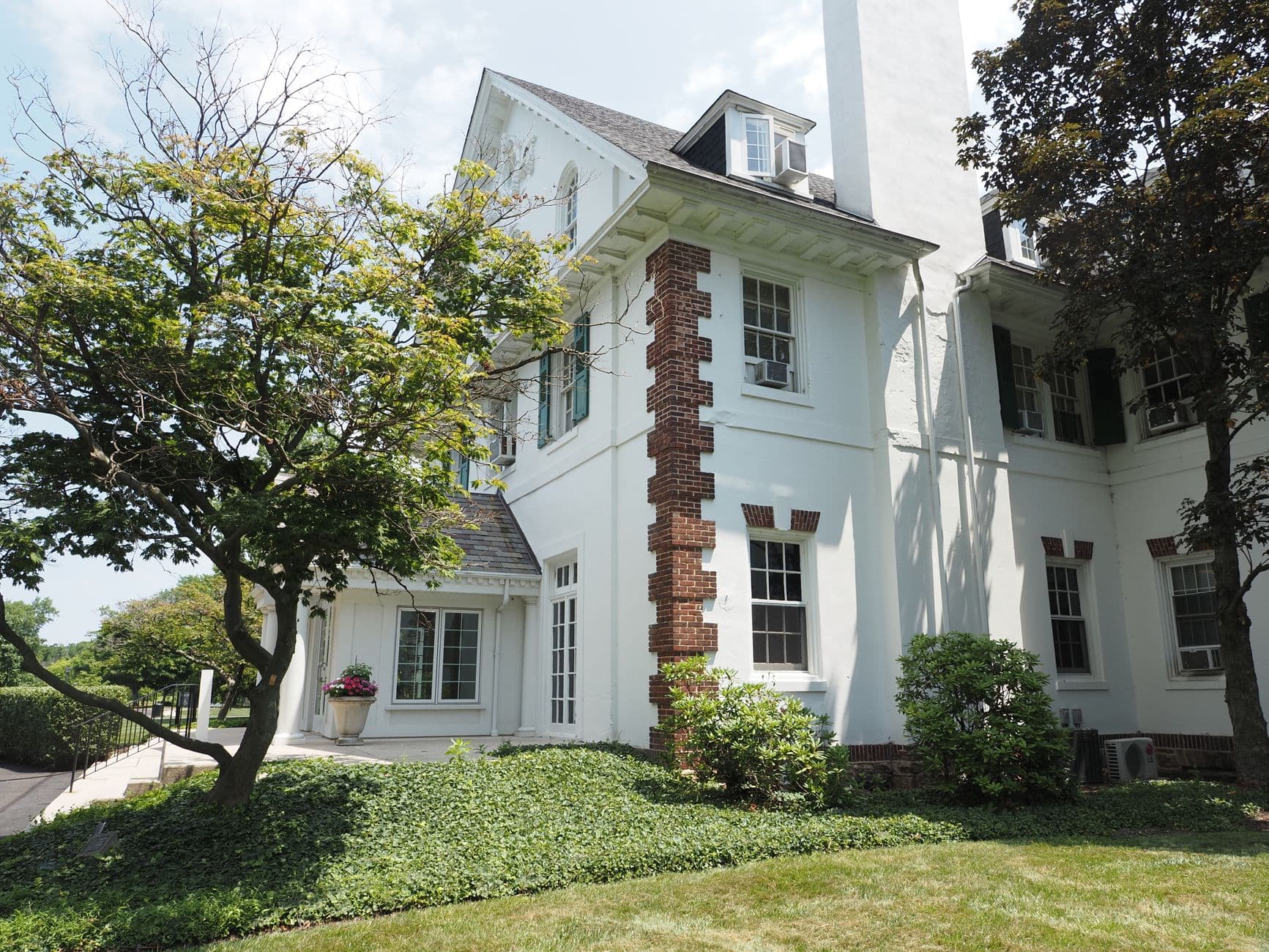
Left alone, the moisture behind that staining continues deteriorating mortar joints and can lead to spalling, bricks flaking and cracking from repeated cycles of water moving in and out of the material. Repointing a wall and correcting spalling brick is a considerably larger project than replacing a cap or resurfacing a crown, and it is a project that exists specifically because the earlier, cheaper fix was skipped.
Additional Signs Worth Catching at the Same Low Cost
A few other indicators are worth checking alongside the five above, since they tend to travel together and catch the same underlying problem before it grows:
- - Visible chunks of creosote or tile fragments in the firebox point to material breaking loose inside the flue, which is worth a look before more of it accumulates.
- Rust on the damper or firebox floor signals moisture is already present, and a damper caught rusting early is a cleaning and lubrication job rather than a replacement.
- Cracked or flaking brick near the top of the chimney is often the first visible sign of the same water intrusion that produces efflorescence lower down, and it is far cheaper to address at the surface stage than after it spreads further.
- Frequent animal activity around the chimney top suggests a cap issue is developing before an animal actually gets inside and turns a cap replacement into an animal removal job as well.
Catching any of these during a scheduled cleaning, rather than waiting for them to become their own service call, keeps the cost where it belongs: folded into a visit you were already paying for.
What a Professional Cleaning Visit Actually Includes
A cleaning appointment is also when the cost-saving inspection work above actually happens. The visit typically starts with an assessment of the exterior and interior condition, followed by removal of creosote and debris using brushes sized to the flue, then a check of the damper, smoke chamber, and cap for anything that needs a closer look. You receive a summary of what was found, which is the document that lets you address a small issue on your own schedule rather than discovering it later as an emergency.
The Pattern Across All Five Signs
Every one of these signs follows the same arc: a small, inexpensive fix available early, and an escalating cost the longer the underlying cause continues unaddressed. Chimneys do not stay static between cleanings. Creosote keeps building, moisture keeps working through masonry, and a damper left corroding keeps corroding. The repair bill on the other end of that neglect is not fixed, it grows with time.
Why Annual Cleaning Is Cheaper Than It Looks
Comparing the cost of an annual cleaning against the cost of doing nothing is not a fair comparison, since doing nothing is not actually free, it is a bet that none of these five signs will progress into a bigger repair before you get around to addressing it. Homeowners who schedule cleaning on a consistent yearly interval spend predictably and rarely encounter the multi-system findings that come from years of accumulated neglect. Homeowners who wait for a clear symptom before calling are much more likely to be choosing between a bigger repair and an even bigger one, rather than between a cleaning and a repair.
What a Cleaning Visit Actually Catches Early
Beyond removing creosote and debris, a professional cleaning visit includes a check of the damper, the smoke chamber, and the visible portion of the flue and cap. This is where a developing issue, a cap starting to rust, a damper beginning to stick, gets caught while it is still a note on a service report rather than a line item on a repair estimate.
Scheduling Before the Cost Grows
If it has been more than a year since your last cleaning, or if you recognize any of the five signs above, contact CW Chimney Sweep at (818) 671-0755. Our technicians serve Altadena, South Pasadena, San Marino, La Canada Flintridge, Pasadena, and other communities across the San Gabriel Valley, and every cleaning visit includes a look at the conditions that turn a small problem into a large one.
The chimney that gets cleaned on schedule is, almost without exception, the chimney that never needs the expensive repair. That is not a coincidence, it is the entire economic argument for keeping the appointment.
Need Professional Chimney Service?
Our technicians are ready to help with all your chimney and fireplace needs. Contact CW Chimney Sweep today for expert service throughout the Pasadena and the San Gabriel Valley service area.